Bin Matcha: A Complete Guide to Origins, Benefits, Uses, and Cultural Significance
Matcha has become one of the most celebrated green teas in the modern wellness world, but among its many variations and regional interpretations, bin matcha stands out as a term gaining growing curiosity. Whether you encountered bin matcha through online searches, product descriptions, or cultural discussions, understanding what it represents requires a deeper dive into matcha’s origins, preparation methods, and evolving global identity.
This comprehensive guide explores bin mtcha from every angle—its meaning, history, health benefits, preparation methods, culinary uses, quality factors, and why it continues to attract attention worldwide.
What Is Bin atcha?
Bin atcha refers to a specific way of identifying, packaging, storing, or presenting matcha tea, often associated with sealed containers, traditional storage practices, or curated matcha selections. While not always a formal grade like ceremonial or culinary matcha, bin matca often implies carefully stored or portioned atcha powder, designed to preserve freshness, color, and flavor.
In many contexts, bin matcha represents:
- Matcha stored in airtight bins or containers
- A curated batch of matcha prepared for retail or ceremonial use
- A branding or categorization term emphasizing freshness and quality
As matcha consumption spreads globally, bin matcha has become a useful term for distinguishing thoughtfully handled matcha from mass-produced alternatives.
The Historical Roots of Matcha
To understand bin matcha, it’s essential to understand matcha itself.
Matcha in Ancient Japan
Matcha originated in China during the Tang Dynasty, but it flourished in Japan during the 12th century, where Zen Buddhist monks used powdered green tea to support meditation. The tea became central to Japanese tea ceremonies, symbolizing harmony, respect, purity, and tranquility.
Bin macha draws inspiration from this heritage, especially in how matcha is stored, preserved, and respected as a delicate product.
How Bin atcha Differs from Regular Matcha
Although bin mtcha is still matcha at its core, there are subtle distinctions worth noting.
Storage and Freshness
One of the defining ideas behind bin atcha is proper storage. Matcha is extremely sensitive to:
- Light
- Heat
- Air
- Moisture
Bin matcha is typically kept in sealed bins or containers, reducing oxidation and preserving its vibrant green color and umami flavor.
Batch Identity
Bin matcha often comes from specific batches, making it easier to trace quality and consistency. This approach mirrors traditional tea-keeping practices used by tea masters.
The Production Process Behind Bin Matcha
The journey of bin matcha begins long before it reaches a container.
Shade-Grown Tea Leaves
High-quality matcha is made from shade-grown green tea plants, which increases chlorophyll levels and amino acids like L-theanine.
Harvesting and Steaming
Only the youngest leaves are harvested, then quickly steamed to prevent oxidation. This step preserves nutrients and flavor.
Drying and Grinding
Once dried, the leaves become tencha, which is stone-ground into a fine powder. Bin atcha emphasizes careful handling after grinding, ensuring minimal exposure to air.
Flavor Profile of Bin Matcha
Bin matha is often associated with a balanced and refined flavor, especially when freshness is preserved.
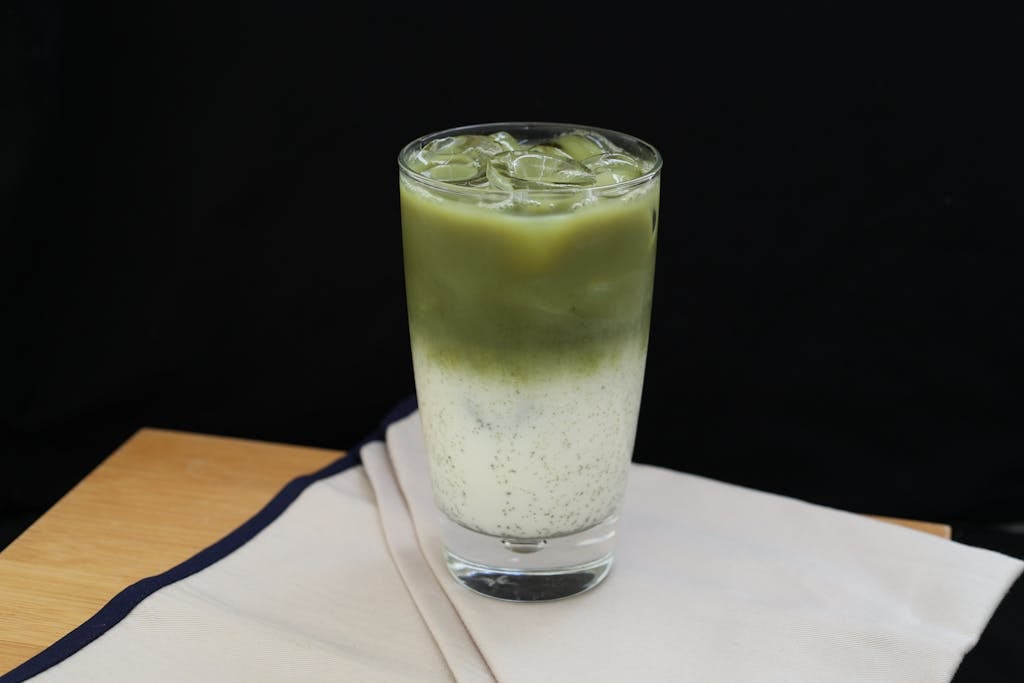
Common flavor notes include:
- Umami richness
- Mild sweetness
- Minimal bitterness
- Creamy mouthfeel
When stored correctly, bin matcha delivers a smoother taste compared to poorly stored powders.
Health Benefits of Bin Macha
Like all high-quality matcha, bin mtcha is packed with nutrients and antioxidants.
Rich in Antioxidants
Matcha contains catechins, particularly EGCG, which help combat oxidative stress.
Sustained Energy
Bin matca provides calm, sustained energy due to the combination of caffeine and L-theanine, avoiding the crash associated with coffee.
Supports Metabolism
Regular consumption of bin matcha may help:
- Improve metabolism
- Support fat oxidation
- Enhance physical performance
Mental Clarity
Thanks to L-theanine, bin macha supports:
- Focus
- Calm alertness
- Reduced stress
Cultural Importance of Matcha Storage
Storage plays a vital role in tea culture.
Traditional Tea Containers
Historically, matcha was stored in ceramic or lacquered containers, protected from light and air. The concept of bin matcha echoes this tradition, emphasizing respect for the tea.
Modern Interpretations
Today, bin matcha may be stored in:
- Tin-lined containers
- Vacuum-sealed bins
- Food-grade metal or ceramic bins
Each method aims to preserve quality and honor tradition.
Culinary Uses of Bin Matcha
Bin matcha isn’t limited to tea ceremonies—it has found a home in kitchens worldwide.
Beverages
Popular uses include:
- Traditional hot matcha
- Iced matcha lattes
- Smoothies and shakes
Desserts
Bin matha is commonly used in:
- Matcha cakes
- Cookies
- Ice cream
- Mochi
Savory Dishes
In modern cuisine, bin matca may appear in:
- Noodles
- Sauces
- Seasonings
Its vibrant color and umami depth add complexity to dishes.
How to Prepare Bin Mtcha Properly
Preparation plays a huge role in flavor.
Tools Needed
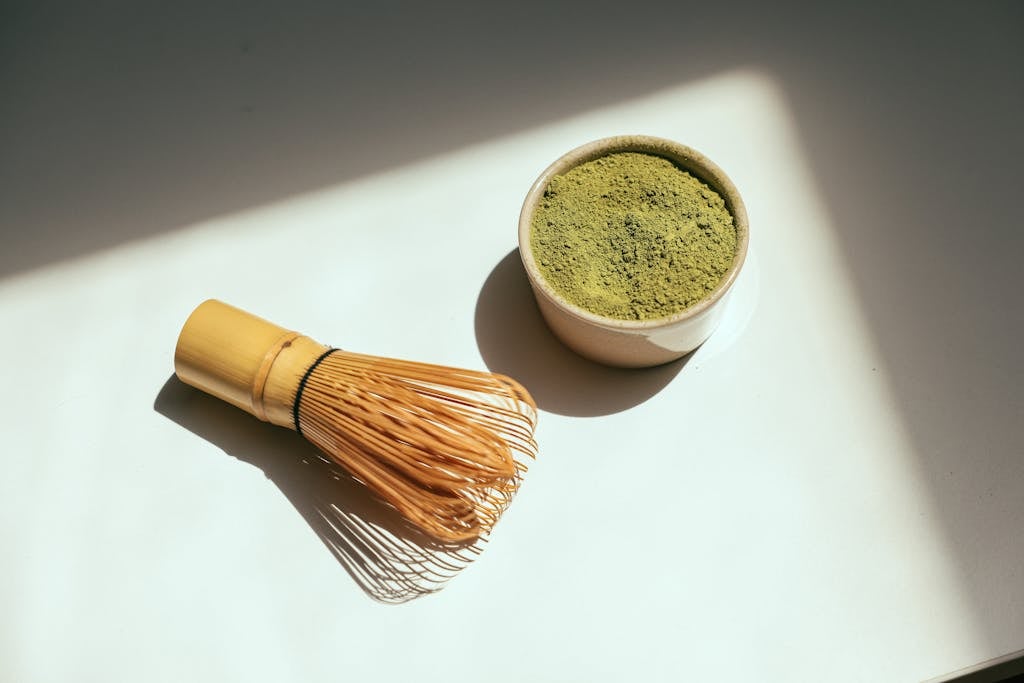
- Bamboo whisk (chasen)
- Matcha bowl (chawan)
- Fine sieve
- Hot water (not boiling)
Step-by-Step Preparation
- Sift bin matcha to remove clumps
- Add hot water (around 75–80°C)
- Whisk in a “W” motion until frothy
- Enjoy immediately
Proper preparation highlights the smoothness and aroma of bin matcha.
Quality Factors to Look for in in Matcha
Not all matcha is created equal.
Color
High-quality bin matcha should be bright green, not yellowish or dull.
Texture
The powder should be ultra-fine, almost silky.
Aroma
Fresh bin matca has a grassy, sweet aroma, not musty or flat.
Sustainability and Ethical Sourcing
As demand grows, ethical sourcing becomes crucial.
Responsible Farming
Many producers of bin matcha focus on:
- Sustainable farming
- Minimal pesticide use
- Soil health
Fair Trade Practices
Ethically sourced bin matcha supports:
- Local farmers
- Traditional farming communities
- Long-term environmental health
Why Bn Matcha Is Gaining Popularity
Several factors contribute to its rise.
Wellness Trends
Health-conscious consumers appreciate bin matcha’s nutrient density.
Cultural Curiosity
People are increasingly interested in traditional tea practices and mindful consumption.
Premium Appeal
Bin matcha often represents care and craftsmanship, appealing to premium tea markets.
Common Myths About Bin Matcha
Myth 1: Bin Matcha Is a Separate Tea Plant
Bin matcha comes from the same tea plant as other matcha varieties—it’s the handling and storage that differ.
Myth 2: All in Matcha Is Ceremonial Grade
Bin matcha can range from ceremonial to culinary quality depending on the batch.
Myth 3: Matcha Doesn’t Expire
While mtcha doesn’t spoil quickly, improper storage degrades flavor and color.
FAQs About Bin Matcha
1. What does bin matcha mean?
Bin macha generally refers to matcha stored or categorized in sealed bins or containers to preserve freshness and quality.
2. Is bin matca different from ceremonial matcha?
Bin atcha is not a grade itself; it may include ceremonial or culinary matcha depending on quality.
3. How long does bin atcha stay fresh?
When stored properly, bin matca can maintain quality for several months after opening.
4. Can bin mtcha be used for cooking?
Yes, bin matcha is suitable for beverages, desserts, and savory dishes.
5. Does bin matcha contain caffeine?
Yes, like all matcha, bin mtcha contains natural caffeine balanced with L-theanine.
6. How should bin matcha be stored at home?
Store it in an airtight container away from heat, light, and moisture.
7. Is bin matcha suitable for daily use?
Absolutely. Many people enjoy bin matcha daily for energy and wellness.
8. Can beginners drink bin matcha?
Yes, its smooth flavor makes it beginner-friendly.
9. Does bin mtcha help with focus?
Yes, it supports calm concentration and mental clarity.
10. Is bin mtcha environmentally friendly?
When ethically sourced, bin mtcha supports sustainable farming practices.Conclusion: Why Bin Matcha Matters
- What is Bin Macha?
Bin atcha is a premium-grade ceremonial or culinary matcha powder known for its vibrant green color, smooth texture, and rich umami flavor. - Is Bin Matcha real matcha or just green tea powder?
Authentic Bn Matcha is shade-grown, stone-ground Japanese matcha, not regular green tea powder. It comes from the first harvest leaves. - Where is Bn Macha produced?
Bin Matha is typically sourced from Japan (most commonly Uji, Nishio, or Shizuoka regions), where the best matcha is traditionally made. - What does Bi Matha taste like?
It has a smooth, creamy, slightly sweet flavor with strong umami, vegetal notes, and almost no bitterness when prepared correctly. - How do you make in Matcha properly?
Sift 1–2 g of Bin Matha into a bowl, add 60–80 ml hot water (70–80°C), whisk vigorously in a “W” or “M” motion until frothy. - Is Bin Mtcha good for daily drinking?
Yes. Many people drink Bin Matcha every day for its clean energy, high antioxidants (EGCG), L-theanine, and gentle caffeine boost. - Can I use Bin Mtcha for lattes and smoothies?
Absolutely. Bin Mtcha works great in hot & iced lattes, smoothies, boba, cakes, ice cream, and energy drinks. - How much caffeine is in Bin atcha?
One serving (1–2 g) usually contains 30–70 mg of caffeine — about half the amount found in a regular cup of coffee. - How should I store Bin atcha to keep it fresh?
Keep it in an airtight container, away from light, heat, and moisture. Best stored in the refrigerator or freezer. - Why is in Matcha more expensive than regular matcha?
Higher-quality shading, hand-picked young leaves, traditional stone-grinding process, and better flavor & nutrient profile make it more expensive.
Bin macha represents more than just powdered green tea—it reflects care, tradition, and mindful consumption. By emphasizing proper storage, freshness, and respect for the tea-making process, bin matcha bridges ancient Japanese tea culture with modern wellness lifestyles.
Whether you’re a tea enthusiast, a wellness seeker, or a culinary explorer, bin mtcha offers a refined and rewarding experience. Its balanced flavor, impressive health benefits, and cultural depth make it a meaningful addition to daily rituals and creative kitchens alike.
As interest in quality and authenticity continues to grow, bin mtcha stands as a reminder that how tea is handled and honored matters just as much as how it’s consumed.
ALSO READ MORE Photo by MART PRODUCTION