Pappedeckel: The Sustainable Material Shaping Modern Packaging and Design 2026
In a world increasingly focused on sustainability, eco-friendly materials, and responsible consumption, pappedeckel has quietly become one of the most important materials in modern packaging, crafts, construction, and design. Though often overlooked, pappedeckel plays a crucial role in daily life—from protecting products during shipping to supporting creative industries and environmentally conscious businesses.
This article explores what pappedekel is, its origins, types, manufacturing process, uses across industries, environmental benefits, and its growing importance in a future driven by sustainability and innovation.
What Is Pappedecel?
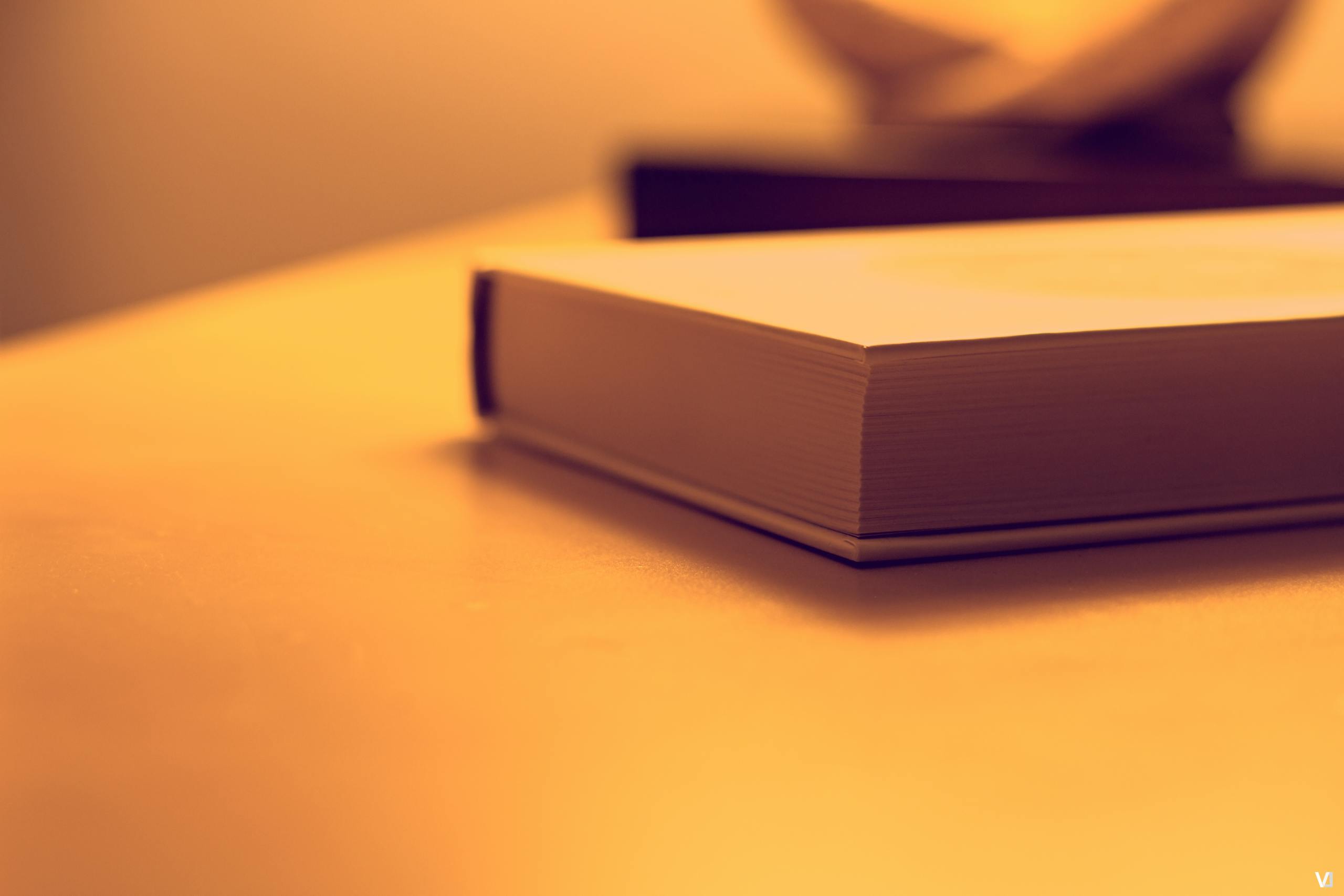
Papedeckel is a German term commonly used to describe thick cardboard or paperboard, typically made from compressed paper fibers. It is stronger than regular paper but lighter and more flexible than wood or plastic alternatives. Because of this balance of durability and versatility, pappdeckel has become a preferred material in packaging, crafting, industrial applications, and even architectural modeling.
Unlike thin paper sheets, pappdeckel offers rigidity and structural strength, making it ideal for boxes, backing boards, protective covers, and design prototypes.
The History and Evolution of Pappedekel
The origins of papedeckel can be traced back to early paper-making civilizations, but its modern form developed during the industrial revolution. As mass production expanded in Europe, particularly in Germany, manufacturers sought affordable materials that could replace wood and metal for lightweight applications.
Pappedckel emerged as an efficient solution. Over time, advances in paper recycling, fiber compression techniques, and coating technologies allowed pppedeckel to become stronger, smoother, and more adaptable. Today, it stands at the intersection of tradition and innovation, supporting both industrial efficiency and environmental responsibility.
How Pappdeckel Is Manufactured
The manufacturing process of pappdeckel is both fascinating and environmentally conscious. It generally involves the following steps:
- Collection of Raw Materials
Most pappeeckel is made from recycled paper, cardboard waste, or sustainably sourced wood pulp. - Pulping Process
The paper fibers are broken down using water and mechanical processes to form pulp. - Compression and Layering
The pulp is layered and compressed under high pressure to achieve the desired thickness and strength. - Drying and Cutting
Once compressed, the sheets are dried and cut into specific sizes or rolls. - Optional Coating or Treatment
Some pappdeckel products receive coatings for moisture resistance, smoothness, or added durability.
This process ensures minimal waste while producing a strong, reliable material.
Types of Pappedckel
There are several types of pappedeckel, each designed for specific purposes:
1. Grey Pppedeckel
Often used for bookbinding, backing boards, and packaging inserts. It is cost-effective and sturdy.
2. White Papedeckel
Common in premium packaging and graphic design projects where appearance matters.
3. Laminated Pappdeckel
Features protective layers that enhance moisture resistance and durability.
4. Industrial Papedeckel
Used in construction modeling, machinery protection, and heavy-duty packaging.
Each type offers unique advantages depending on strength, appearance, and environmental exposure.
Uses of Pappeeckel in Packaging
Packaging is one of the largest applications of papedeckel. Its strength, affordability, and recyclability make it ideal for:
- Product boxes
- Protective inserts
- Shipping containers
- Display packaging
- Food packaging bases
Unlike plastic packaging, pappdeckel decomposes naturally and can be recycled multiple times without significant loss of quality.
Pappdeckel in Creative and Craft Industries
Artists, designers, and hobbyists rely heavily on pappeeckel due to its flexibility and ease of use. It is widely used in
- Model making
- Scrapbooking
- DIY crafts
- School projects
- Architectural prototypes
Because pappedekel is easy to cut, glue, paint, and shape, it allows creativity without high costs or specialized tools.
Role of Pappdeckel in Construction and Architecture
In architecture and construction planning, pappeeckel is often used for:
- Scale models
- Temporary barriers
- Floor protection during renovations
- Insulation layers
Architects prefer pappedeckel for early-stage design models because it provides structural accuracy without excessive expense.
Environmental Benefits of Pappedeckl
One of the biggest reasons behind the growing popularity of pappeeckel is its environmental advantage.
Key Sustainability Benefits:
- Made largely from recycled materials
- Fully recyclable
- Biodegradable
- Lower carbon footprint than plastic
- Reduces reliance on non-renewable resources
As governments and businesses push toward greener alternatives, pappedeckel fits perfectly into circular economy models.
Pappedeckel vs Plastic: A Clear Comparison
| Feature | Pappeeckel | Plastic |
| Biodegradability | Yes | No |
| Recyclability | High | Limited |
| Environmental Impact | Low | High |
| Cost | Affordable | Variable |
| Sustainability | Excellent | Poor |
This comparison highlights why many companies are replacing plastic packaging with pappedeckel-based solutions.
Economic Importance of Pappedckel
The pappeeckel industry supports thousands of jobs worldwide, from recycling facilities to manufacturing plants and design studios. Small businesses benefit especially because pappeeckel is affordable and customizable.
Its low production cost allows startups to create branded packaging without large investments, while large corporations use it to reduce shipping costs and environmental impact.
Papdeckel in the Global Market
Germany, Europe, and increasingly Asian markets lead in pappedeckel innovation. With rising global awareness of sustainability, demand for paperboard products continues to grow.
Export-quality pappedeckel is now used internationally for electronics, cosmetics, food, and e-commerce packaging.
Challenges Faced by the Pappedekel Industry
Despite its many advantages, pappeeckel also faces challenges:
- Limited water resistance
- Lower durability compared to metal or plastic in extreme conditions
- Dependency on paper recycling infrastructure
However, ongoing research into coatings and fiber treatments is helping overcome these limitations.
Innovations and Future of Pappdeckel
The future of pappeeckel looks promising. Innovations include:
- Water-resistant biodegradable coatings
- Stronger fiber blends
- Smart packaging integrations
- Lightweight yet ultra-durable boards
As technology advances, papedeckel will likely replace even more plastic-based materials across industries.
Why Businesses Are Switching to Pappedeckel
Companies today are under pressure to meet environmental standards and consumer expectations. Pappedeckel offers:
- Brand sustainability appeal
- Compliance with eco regulations
- Cost savings
- Improved corporate responsibility image
Consumers increasingly prefer brands that use eco-friendly packaging, making pappedeckel a strategic choice.
Pappedeckel in Education and Schools
Schools and educational institutions widely use pappedeckel for:
- Teaching aids
- Science models
- Art projects
- Presentation boards
Its safety, affordability, and accessibility make it ideal for learning environments.
What is Pappedeckel?
Pappedeckel is the German term for a cardboard lid or cover, typically made from sturdy paperboard. It’s commonly used as an eco-friendly alternative to plastic lids for hot drinks, food containers, and takeaway packaging.
What does the word “Pappedeckel” mean literally?
It combines “Pappe” (cardboard or paperboard) and “Deckel” (lid or cover), directly translating to “cardboard lid” in English.
Where does Pappedeckel come from?
The term originates in German-speaking countries (like Germany, Austria, Switzerland), where it’s a everyday word for practical packaging solutions, especially in gastronomy and takeaway services.
Why is Pappedeckel considered sustainable?
Made from recyclable, biodegradable cardboard (often recycled materials), it reduces plastic waste, lowers carbon footprints, and supports eco-friendly packaging trends by being lightweight and compostable in many cases.
What are the main uses of Pappedeckel?
Primarily as lids for coffee-to-go cups, soup bowls, food boxes, or protective covers in food service, retail, and events—also occasionally as coasters or simple protective discs.
How does Pappedeckel compare to plastic lids?
It’s more environmentally friendly (recyclable/biodegradable vs. non-degradable plastic), but may be less heat-resistant or watertight for very long periods—great for reducing single-use plastic pollution.
Is Pappedeckel used only for food and drinks?
Mostly yes, but it can extend to general packaging (e.g., gift boxes, cosmetics jars, or protective covers), and in crafts/art for decorative or structural elements.
What materials are Pappedeckel made from?
Typically pressed layers of recycled paper fibers or cardboard—sturdy, lightweight, and often treated for minor moisture resistance without harmful chemicals.
Are Pappedeckel lids heat-resistant?
Yes, designed for hot beverages/food (up to certain temperatures like coffee/tea), though not as durable as plastic for extreme heat or prolonged contact—most handle standard takeaway needs well.
Can Pappedeckel be recycled?
Absolutely—most are fully recyclable in paper/cardboard streams (check local rules), and many brands use post-consumer recycled content to boost circular economy benefits.
Is Pappedeckel a brand or just a generic term?
It’s a generic German word for the product type, though some brands/websites use “Pappedeckel” creatively for fashion/wellness lines or eco-products—core meaning remains the cardboard lid.
How has Pappedeckel evolved over time?
From traditional simple covers in German crafts/packaging to modern sustainable innovations, driven by anti-plastic movements and EU regulations pushing for greener alternatives.
Where can I buy or find Pappedeckel products?
Common in cafes, takeaway spots, supermarkets (look for eco-packaging sections), or online via packaging suppliers—search for “cardboard cup lids” or “Pappedeckel” in German/EU shops.
Does Pappedeckel have any cultural significance?
In German-speaking regions, it’s a familiar everyday item (e.g., beer coasters or café lids), symbolizing practicality and now increasingly tied to environmental awareness and sustainability culture.
Why is Pappedeckel gaining popularity now?
Rising global focus on reducing plastic pollution, corporate sustainability goals, and consumer demand for green alternatives have spotlighted it as a simple, effective swap in food service and packaging industries.
Conclusion: The Growing Importance of Pappedeckel
Pappedeckel is far more than just cardboard—it is a symbol of sustainability, creativity, and smart resource use. From packaging and design to education and construction, its applications continue to expand.
As environmental awareness grows and industries seek greener alternatives, pappedeckel stands out as a reliable, eco-friendly, and future-ready material. Its balance of strength, affordability, and recyclability ensures that it will remain a vital component of modern life for years to come.
ALSO READ MORE Hello world!